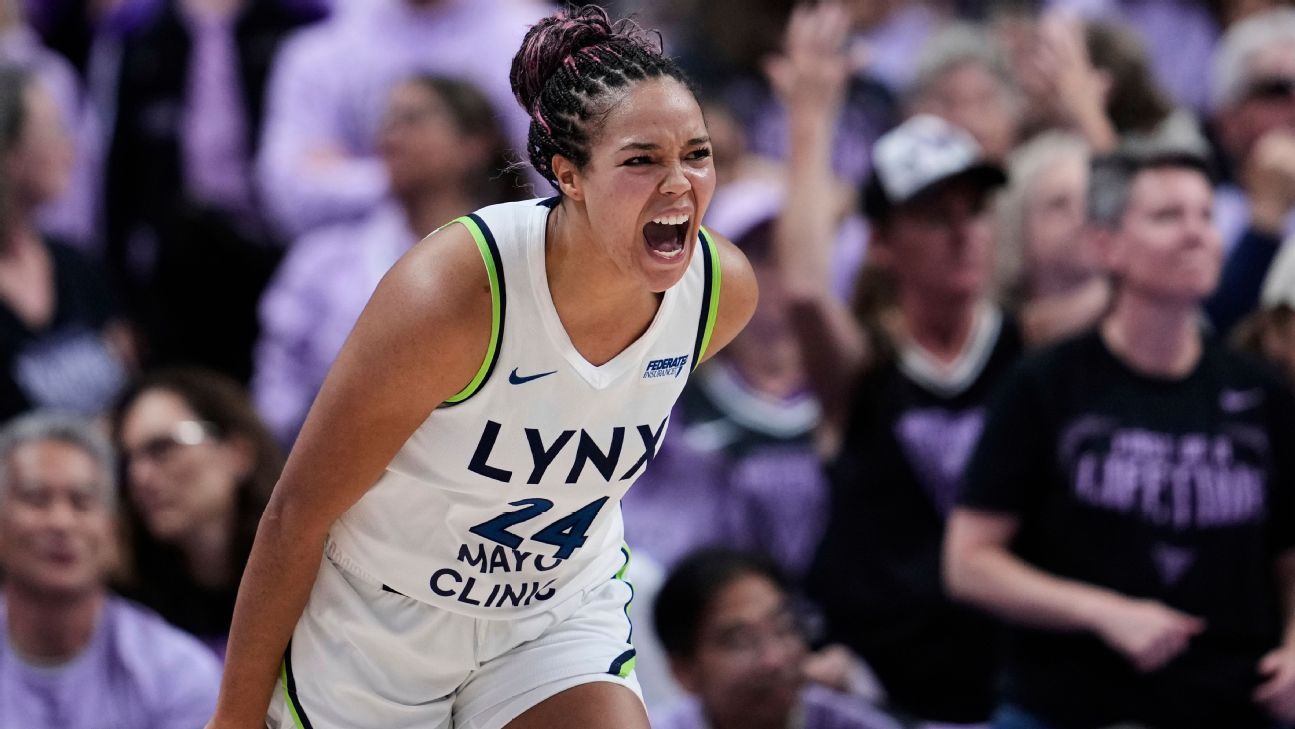
The WNBA's free agency period opened with significant moves as ten of the league's fifteen teams utilized core designations to retain their star players. Among the notable athletes receiving these offers were New York Liberty's Sabrina Ionescu, Minnesota Lynx's Napheesa Collier, and Los Angeles Sparks newcomer Kelsey Plum.
The core qualifying offer functions similarly to the NFL's franchise tag, granting teams exclusive negotiating rights while providing players with a fully guaranteed one-year supermax contract worth $1.4 million in 2026. Players maintain the ability to negotiate different terms despite the baseline offer.
This strategic move allows franchises to secure their cornerstone talent while preventing them from departing in free agency without compensation. The mechanism often facilitates sign-and-trade scenarios that benefit both teams and players.
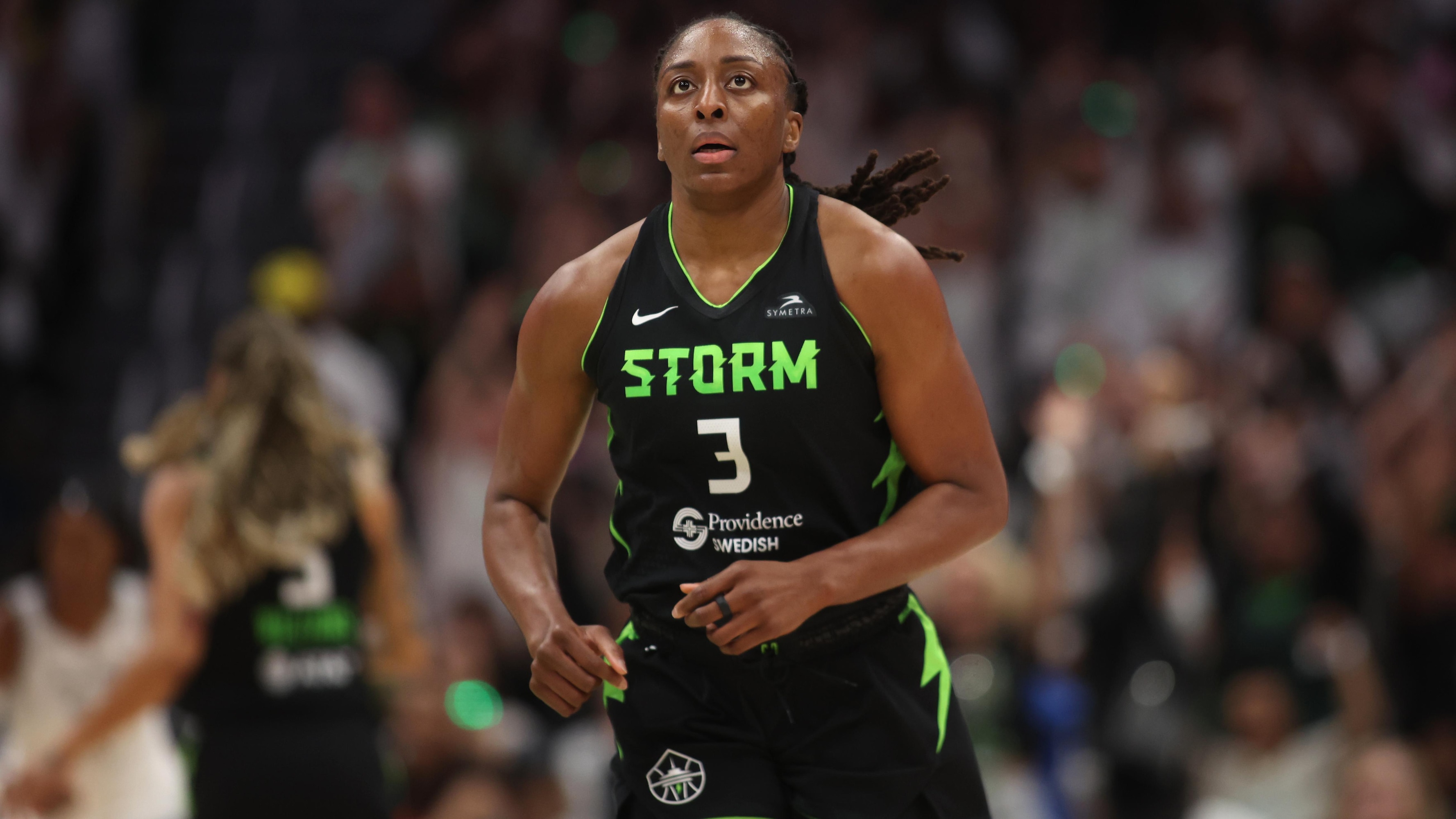
Additional stars receiving core designations included Indiana Fever's Kelsey Mitchell, Dallas Wings' Arike Ogunbowale, Atlanta Dream's Allisha Gray, Chicago Sky's Ariel Atkins, and Seattle Storm's Ezi Magbegor.
The expansion teams also secured their recent acquisitions through core offers. Portland Fire extended the designation to Bridget Carleton, selected from Minnesota in last week's expansion draft, while Toronto Tempo did the same for Marina Mabrey, chosen from the Connecticut Sun.
Teams additionally distributed reserved and restricted qualifying offers during the designation period that commenced Monday. The negotiation window runs through Friday, with official signings permitted starting Saturday.
The WNBA's offseason timeline remains compressed following delays caused by collective bargaining agreement negotiations. The league and players union agreed upon and ratified a new CBA in late March, though the long-form contract continues undergoing finalization.

Training camps are scheduled to begin April 19, with preseason games tipping off April 25. The accelerated timeline creates urgency for teams and players to finalize contracts before basketball activities resume.
This widespread use of core designations demonstrates teams' commitment to retaining elite talent amid growing league popularity and competitive balance. The coming days will reveal whether players accept these offers or negotiate alternative arrangements with their current clubs.