The Women's National Basketball Association stands at an inflection point. After decades of gradual progress, the league is entering a transformative period marked by geographic expansion, lucrative media partnerships, and player compensation reaching new heights—indicators of a professional sports organization finally capturing mainstream attention and investment.
In a significant move announced in 2024, the WNBA approved expansion franchises for Portland and Toronto, marking the league's first expansion since 2008. These additions bring the total number of teams to 12, expanding the league's footprint into major North American markets. Portland, a city with strong basketball tradition and demonstrated fan support through its NBA franchise the Trail Blazers, represents a natural fit for WNBA expansion. Toronto's inclusion marks the league's first Canadian franchise, opening international markets and addressing the growing talent pipeline from north of the border.
The expansion reflects broader confidence in the WNBA's economic viability. Both cities required substantial ownership investments, signaling that prospective owners see genuine profit potential—a marked shift from the perception of women's professional basketball as a niche product requiring subsidization. The Portland and Toronto franchises join established markets including New York, Los Angeles, Chicago, and Las Vegas, creating a more geographically balanced league.
Equally transformative is the WNBA's new media rights agreement, finalized in 2024, with Walt Disney Company and Amazon Prime Video. The deal represents a watershed moment for women's sports broadcasting. Disney's ESPN networks will carry significant regular-season games and playoff content, providing prime-time visibility previously unavailable to the WNBA. Amazon Prime Video's inclusion brings the league into one of the world's largest streaming platforms, dramatically expanding potential viewership globally.
The financial terms of the media agreement—reportedly valued at significantly more than the previous TV deal—demonstrate that broadcasters now recognize the WNBA as a valuable property. Increased media revenue directly funds player salaries and operational budgets, creating a virtuous cycle of investment and growth.
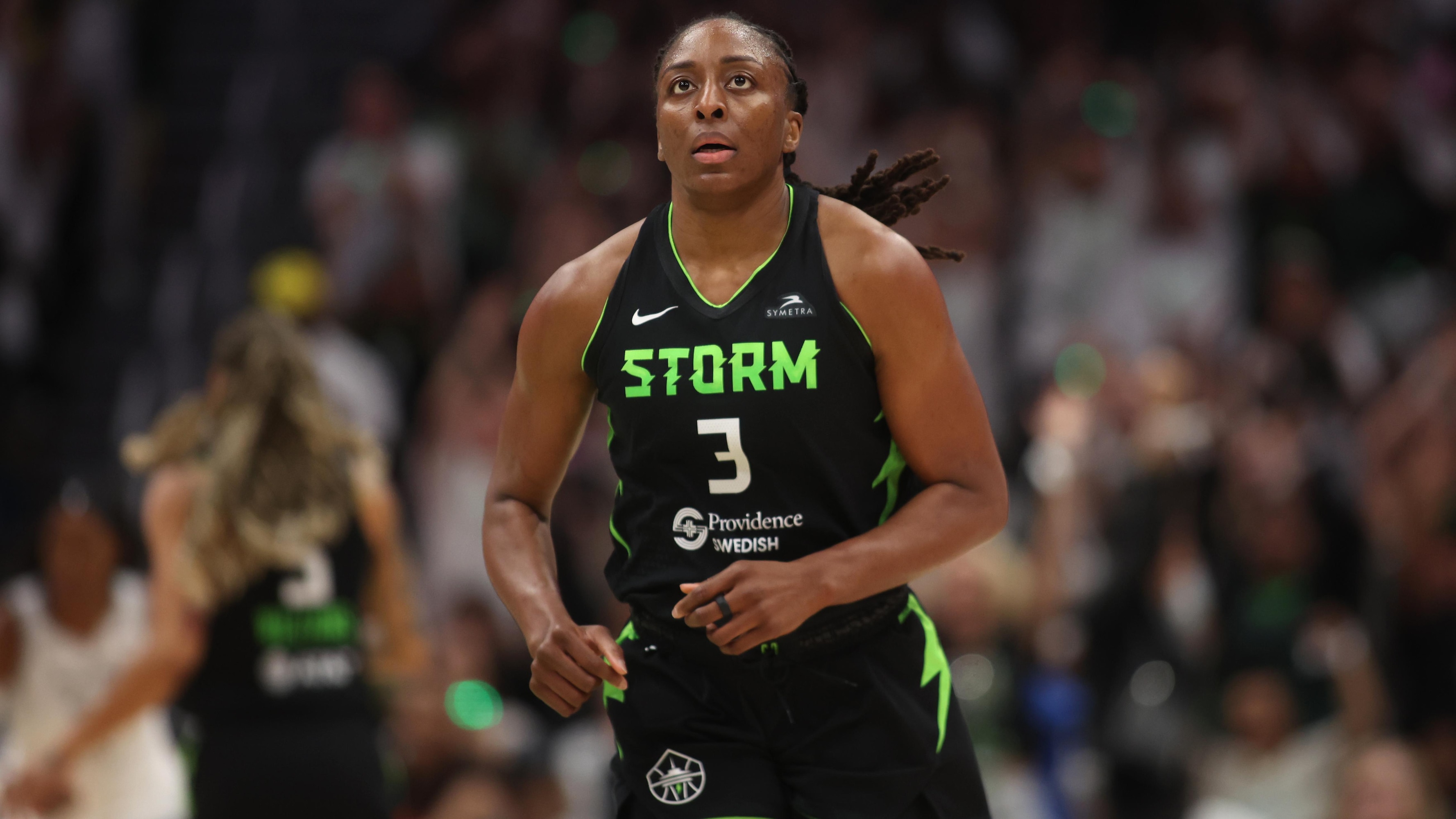
This expanded revenue stream directly benefits players through unprecedented salary increases. The WNBA's salary cap has grown substantially, with supermax salaries now exceeding $250,000 annually—a significant jump from previous years. More meaningfully, minimum salaries have increased, raising the floor for all players. These increases recognize both the players' athletic excellence and the commercial value they generate through their performance and marketability.
Salary improvements extend beyond headline figures. Signing bonuses, endorsement opportunities, and ancillary benefits have multiplied as the league professionalized its commercial infrastructure. Players now compete for sponsorships in a market that increasingly recognizes their appeal to diverse demographic audiences.

The WNBA's growth reflects several converging factors: generational shifts in sports viewership, particularly among younger audiences that follow women's sports at higher rates than previous demographics; improved media coverage and digital accessibility; and active promotion by the league and broadcasters. The rise of superstar players with significant social media followings has created celebrity athletes whose appeal transcends traditional sports-only audiences.
Attendance figures have climbed notably, with several franchises setting attendance records. Las Vegas Aces games regularly draw 10,000-plus spectators, while established franchises in New York and Los Angeles maintain strong fan bases.
The expansion to 12 teams, combined with media partnerships elevating visibility and salary structures rewarding talent, positions the WNBA as a sustainable, growing professional league. These developments don't guarantee permanent success—professional sports remain subject to economic and cultural volatility—but they represent genuine structural improvements in the league's economic foundation.
The WNBA's trajectory suggests the league has progressed beyond novelty status into legitimate mainstream professional sports. Whether this growth sustains depends on continued investment from owners, broadcasters, and fans. Current indicators suggest that investment will continue.

