The 2026 NBA Draft has quietly been reshaped this spring, and the cause has little to do with basketball and everything to do with money. With the early-entry withdrawal deadline now passed, a wave of borderline first- and second-round prospects has pulled out of the draft and returned to college — not because they cannot make the NBA, but because staying in school now pays better.
That is the through-line drawn by the basketball content creator SROS in a widely viewed breakdown of the thinned-out draft pool. The argument is simple: collective and name-image-likeness money at the top college programs has climbed so high that it now exceeds what many fringe draftees would earn on a rookie contract, flipping the traditional incentive to turn pro.
The example the channel leaned on was striking. A projected late-first-round wing, Tounde Yessoufou, is reported to be in line for more than $6 million to play college basketball next season — a figure the analyst noted would roughly triple what the same player would bank on a rookie deal. "He's going to triple his earnings next year by going back to college," the creator said. "It's a different world we live in. That is more than what a coach is going to be paid in college."
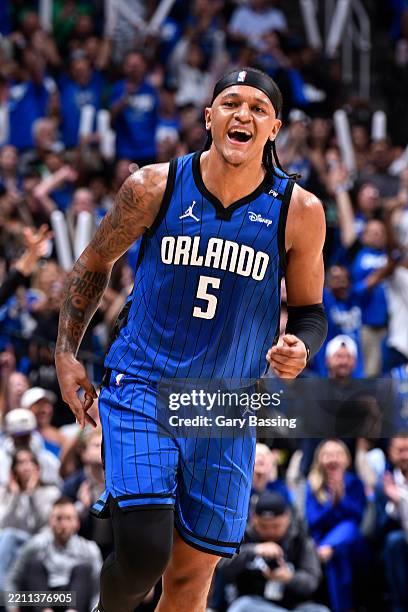
The knock-on effect is a draft board that has lost depth in its back half. With so many talented underclassmen choosing to cash in at school, the analyst projected that the later stages of round one — and much of round two — will be populated by seniors, the kind of older, lower-ceiling prospects that drafts had increasingly moved away from.
There is a financial nuance, though, and the channel was careful to flag it. The new math does not apply at the very top. For a projected lottery pick or a candidate for the No. 1 overall selection, walking away from the draft makes no sense, because the rookie deal is merely the on-ramp to a rookie-max extension worth generational money. The withdrawal calculus only tilts toward staying in school for players hovering on the fringe of the first round, where a guaranteed multi-million-dollar college payday can genuinely outweigh an uncertain professional one.
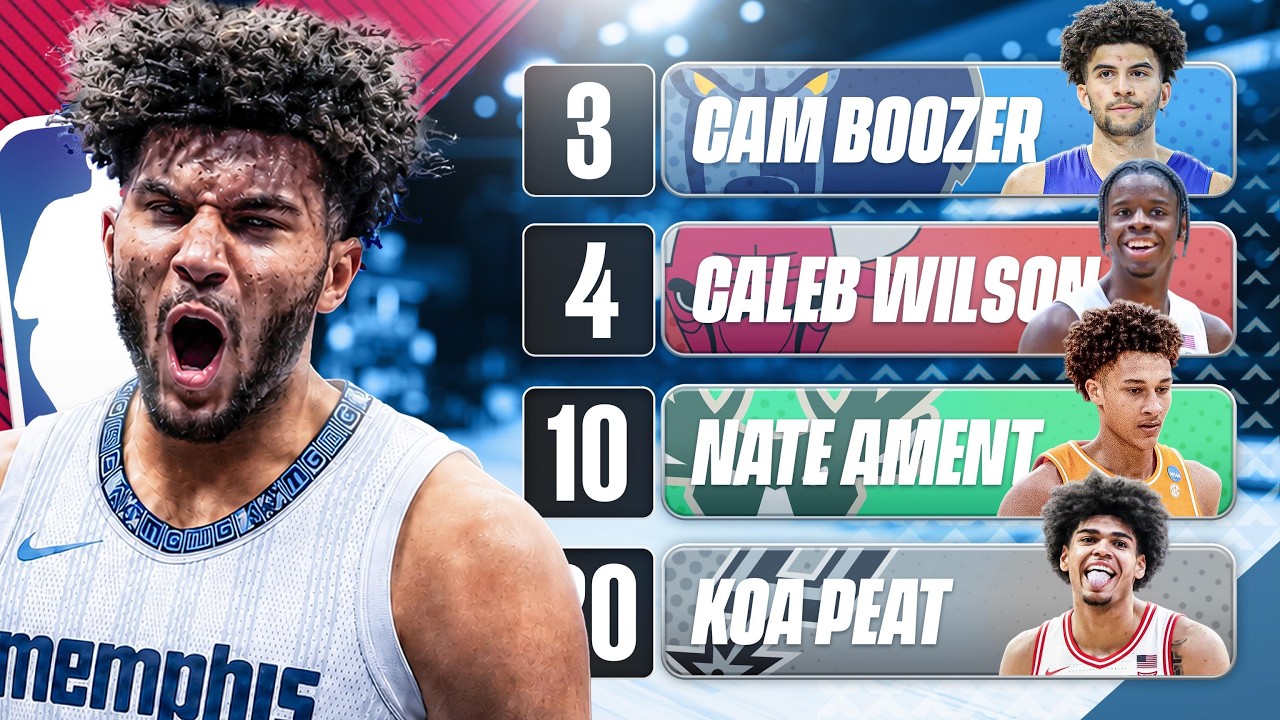
The creator also sounded a note of caution for the colleges doing the spending, suggesting it is difficult to get a good return on investment from a $6 million transfer-portal player and pointing out that plenty of programs "got burned" chasing big-money recruits last year. Even a blue-chip name such as projected 2026 prospect Cameron Boozer, he argued, has to be weighed against that price tag.
None of it changes the marquee names at the top of the board, where the analyst still expects a modern, three-level scoring wing to go first. But for executives further down, the message is that the 2026 class has grown shallower since the spring, and that the forces reshaping it — NIL collectives, transfer-portal bidding wars and the economics of the college game — are now squarely part of the draft conversation. As the creator put it, the league is operating in "a different world."