The Minnesota Timberwolves did not out-shoot the Denver Nuggets in Game 2 of their first-round series. They wore them out.
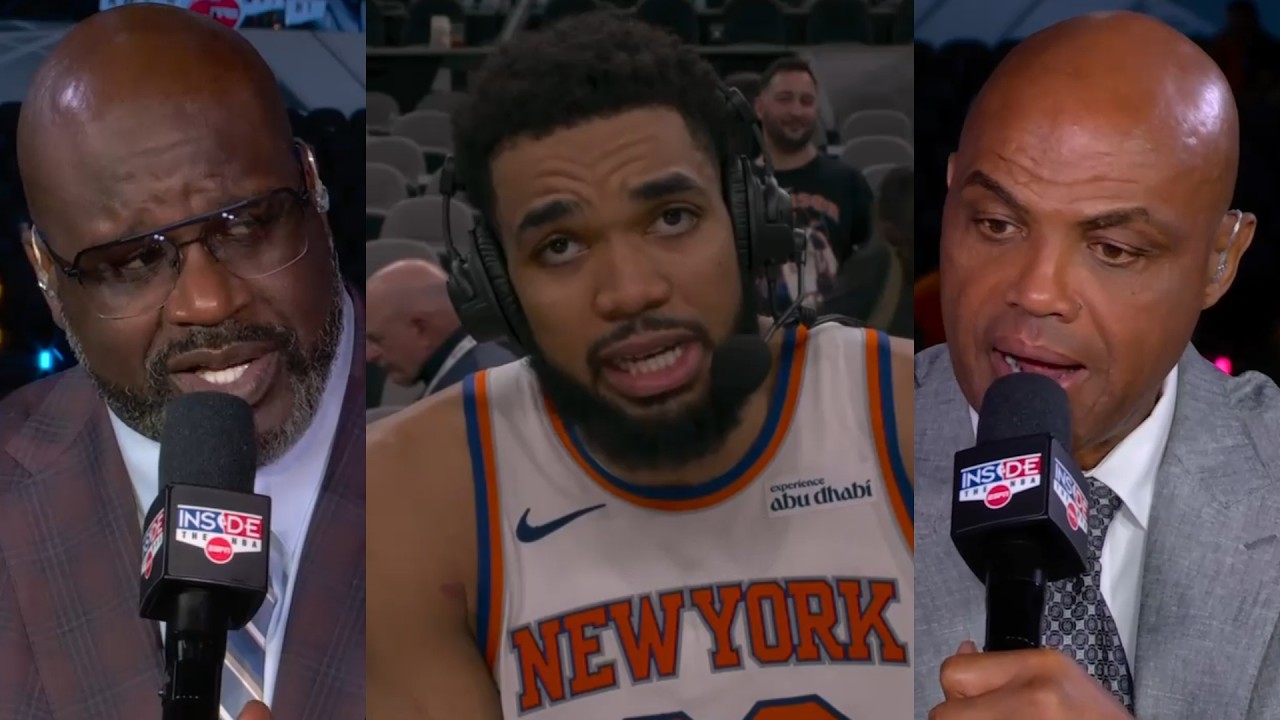
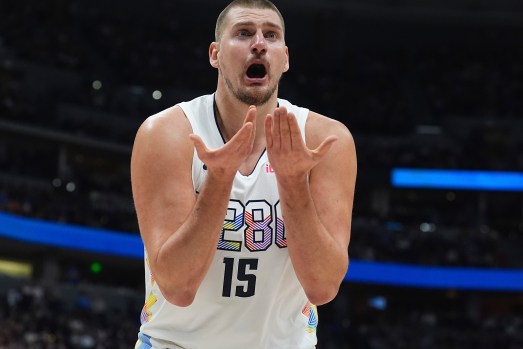
Minnesota evened the series at 1-1 with a road win in Denver that hung on one of the most efficient defensive quarters of the playoffs so far. Rudy Gobert, Jaden McDaniels and Dean Chenzo stifled Nikola Jokic and Jamal Murray down the stretch, holding the Nuggets' star pairing to four combined points in the fourth quarter on 2-of-12 shooting from the field. The NBA on NBC desk — Carmelo Anthony, Vince Carter and Tracy McGrady — spent the postgame show framing it as a fatigue story as much as a defensive one.
Julius Randle gave Minnesota its offensive spine, posting 18 of his 24 points in the first half when the Nuggets' home crowd had the game swinging back and forth. It was the late-game defensive identity that carried the night.
"Their pick-and-roll defense was fantastic," Vince Carter said. "I thought they wore Jokic down. They made him work on the defensive end — multiple actions, a lot of things that he had to do and his responsibility on the offensive end as well. Jamal Murray was playing well, but he needed to get himself going, and I thought he wore down. You can see his jump shot, particularly on the three, a little short. Some of the shots that I thought he would typically shoot for himself late game, he just didn't have it."
The framing quickly moved to how unfamiliar that looked. Jokic played the entire third quarter. By the fourth, Carter argued, the reigning MVP conversation centerpiece was playing below his own baseline.
"When he came back in the game, he had a couple opportunities there that were just uncharacteristic of him," Carter said. "Getting into the paint and the drop-off to Jamal Murray where he should have had the floater, had the air ball three — he didn't look like himself in that fourth quarter. I think they wore him down on both ends, making him move his feet on the defensive end, and that affected them on the offensive too. We don't really see that. That was uncharacteristic."
Tracy McGrady zeroed in on the defensive matchups behind the numbers.
"When you talk about Jokic and you talk about Jamal Murray, think about the defensive guys who's playing those guys," McGrady said. "The McDaniels, the Dean Chenzo — they shut them down in the last three, four minutes of that game. Jamal Murray, all those guys couldn't even get over the screen. They were fighting over the screens, busting through the screens. And as a result, Minnesota wins this basketball game."
That led the panel to the figure at the centre of the wear-down: Gobert.
"We've got to give credit to Rudy Gobert. We joke about Rudy Gobert a lot. Four-time defensive player of the year," McGrady said. "Even though Jokic gets his stats, he's making Jokic work on both sides. He's running the court, trying his best to stay in front of him, trying to make him change his shot. Just wearing them down. I think we've seen that in the last couple of minutes."
The counting stats backed up the narrative. Minnesota scored 52 points in the paint to Denver's effort up front and doubled the Nuggets on the glass where it mattered — the Wolves' 20 second-chance points to Denver's three was the kind of margin that snuffs out comebacks before they form. Jamal Murray, meanwhile, logged 43 minutes, the heaviest regulation workload he has absorbed all season.
One sequence in particular stuck with the panel. Jokic, fouled in a late possession, stepped to the free-throw line and split the pair that would have tied the game.
"We've seen him make that shot several times," Carter said. "We also see him throw the lob to Aaron Gordon. So he probably thought that was Aaron Gordon. He was probably like, 'let me dump that off.'"
Aaron Gordon himself finished with eight points on a night his coach acknowledged publicly that fatigue had caught up to Denver's rotation.
"That coach said he was tired too," Carter said. "They're all tired. It's midnight out there."
The series also now carries a trend line the Nuggets do not want to confront. Minnesota's two largest playoff comebacks in franchise history have come against Denver — 20 points in the 2024 conference semifinals and, now, a 19-point deficit clawed back in Game 2. The teams head back to Minnesota with the Wolves having turned a competitive series into a contest of who can hold up physically over the next four nights.
The 2026 playoffs have already produced their share of chalk. Game 2 at Ball Arena was something else — a defensive chess match Minnesota won by making the best players in the series run out of steam with the clock still running.