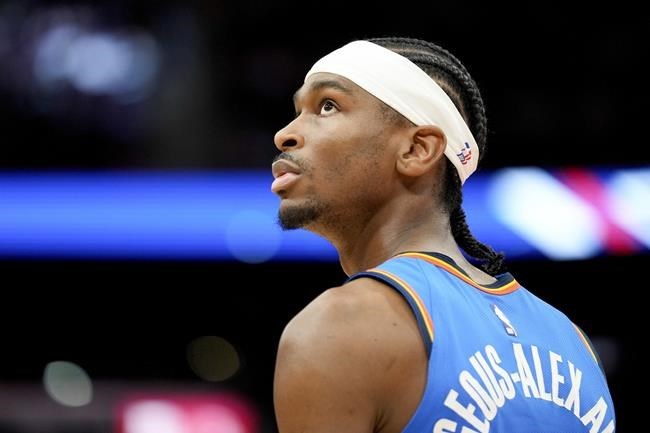
Oklahoma City entered the season as the betting favourite to win the NBA title, and for Shai Gilgeous-Alexander, anything short of that came with a harsh verdict. After the Thunder's run ended in a Game 7 defeat to the San Antonio Spurs in the Western Conference Finals, the reigning MVP refused to dress up the outcome.
By his own assessment, the season was a failure.
"I failed at my goal," Gilgeous-Alexander said. "I didn't achieve what I wanted to achieve."
Rather than treat the disappointment as something to bury, he framed it as fuel. "Through my experiences, I learn the most about myself, and I make the greatest amount of increases I have in my career when I fail at my goal and don't get what I want," he said. "And I look at this no different."
The accountability was notable given the circumstances. The Thunder were favoured in essentially every sportsbook for the entire year, yet bowed out without their full complement of talent, missing key contributors over the course of the run. That context did little to blunt the sting for a player who has built his reputation on relentless self-improvement.
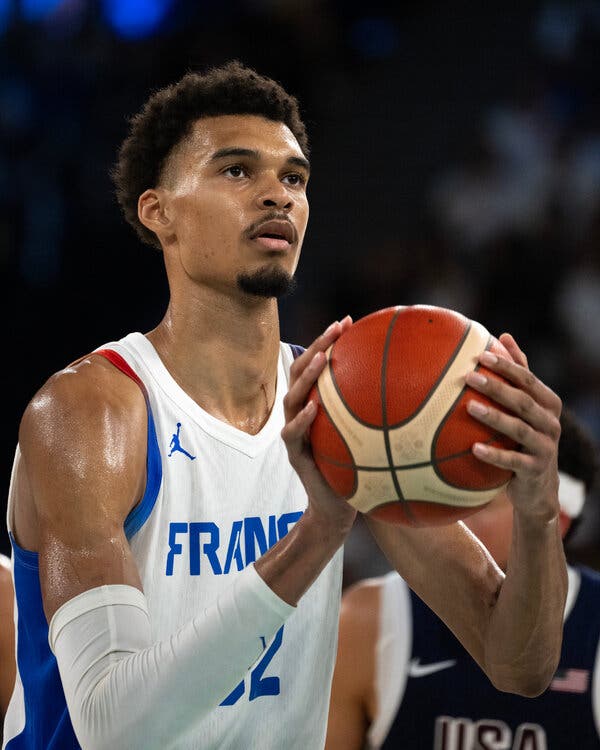
The defeat also reignited a familiar debate about Gilgeous-Alexander's game in the highest-leverage moments. On The Herd, Colin Cowherd argued the guard struggled to get free against San Antonio's length, pointing to the Spurs bottling him up and the fact that Wembanyama appeared to live in his head throughout the series. Cowherd drew a pointed comparison, framing Gilgeous-Alexander as a player whose foul-drawing, mid-range-heavy style can be muted when officials let the game get physical late in a series, the same dynamic that has historically troubled high-volume scorers in deep playoff runs.
That assessment is debatable, and Cowherd was careful to credit the Spurs rather than simply criticise the Thunder; San Antonio's defence forced two All-NBA-calibre players into uncharacteristic performances. But the framing underscored the stakes for Gilgeous-Alexander going forward. A player of his accolades is now measured against championships, not regular-season hardware, and the Thunder's early exit ensures the questions will follow him into the offseason.
For his part, Gilgeous-Alexander seems to have already chosen how to process it. The goal was a title; the result was not. In his own words, that makes it a failure, and one he intends to learn from.