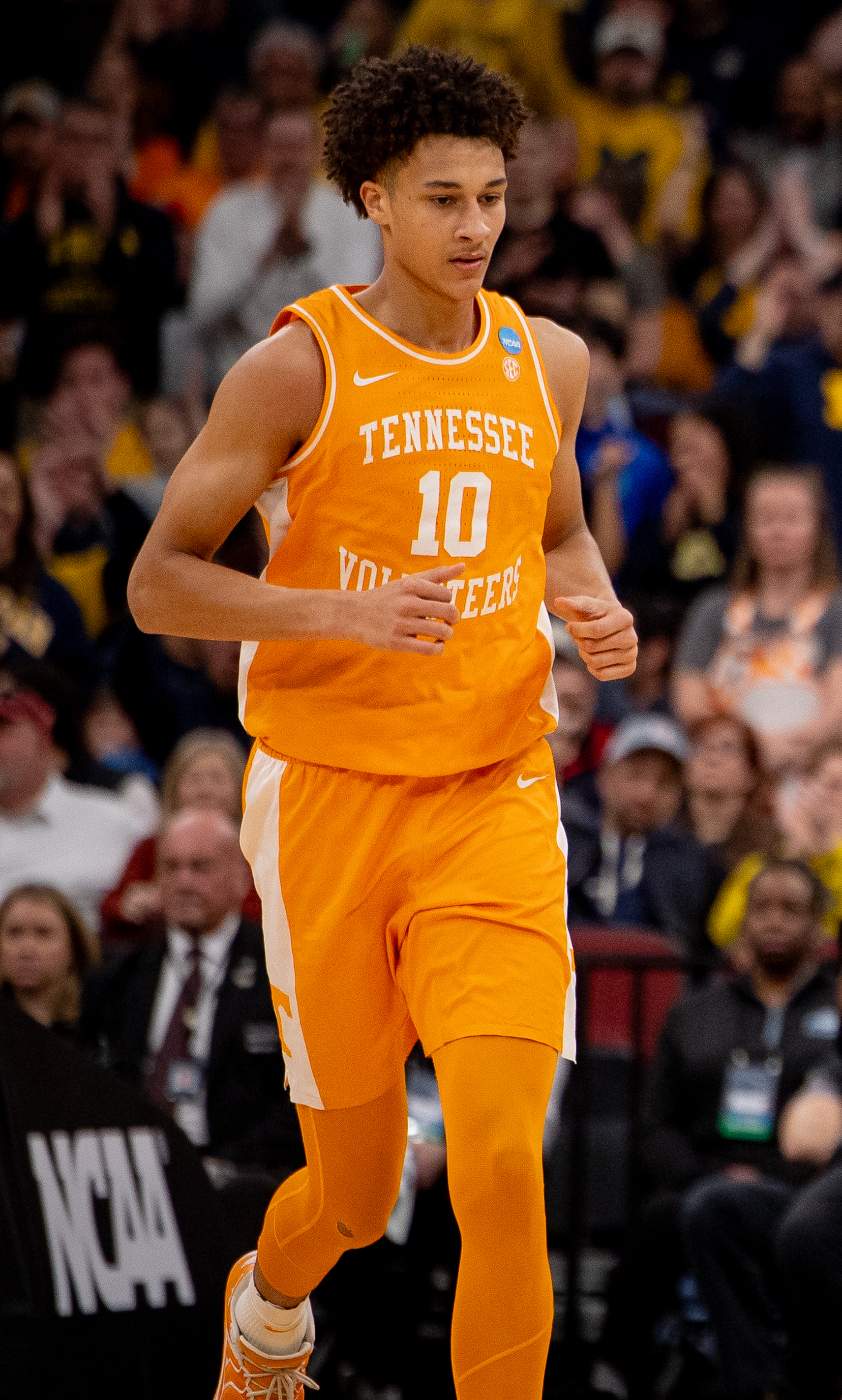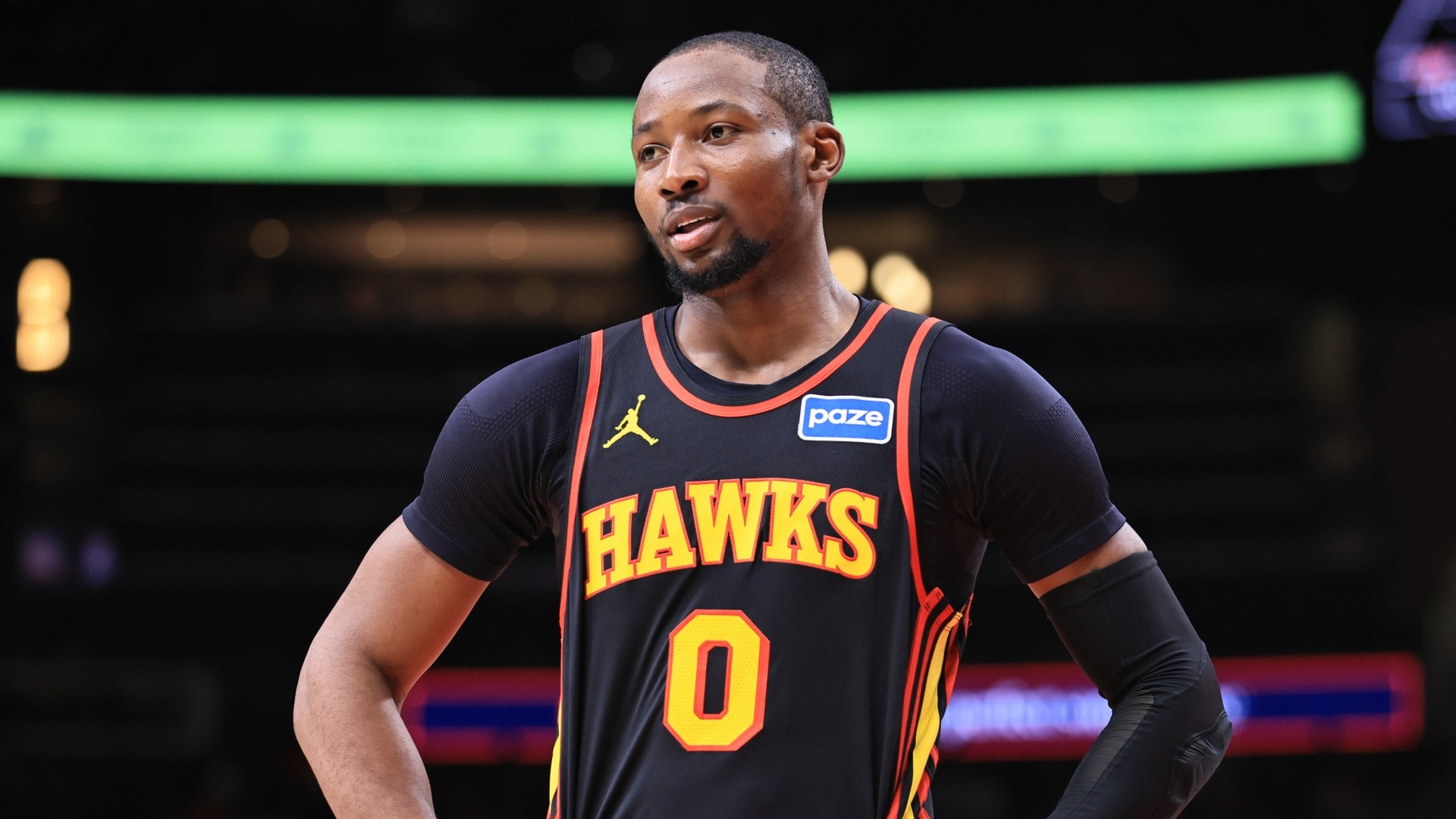
The No Dunks crew opened their Pistons-Cavaliers semifinal preview by admitting something that has become an unspoken truth across NBA Twitter — neither team is easy to project from one night to the next. The Cavs survived a competitive seven-game series against the Toronto Raptors. The Pistons came from 3-1 down against the Orlando Magic and erased a 24-point Game 6 deficit. By the time Game 1 of round two arrived in Cleveland, the panel could not pick a clean favourite.
The first question was whether Donovan Mitchell, who started the Toronto series shooting the cover off the ball, could break the scouting puzzle that the Raptors deployed against him.
Mitchell opened that series with 30 and 32 points, but Toronto adjusted. The pesky Raptors threw a procession of bodies at him — Scotty Barnes, Ja'Kobe Walter and others — and Mitchell averaged just 20 over the next five games. The Pistons inherit that blueprint with their own length and physicality.
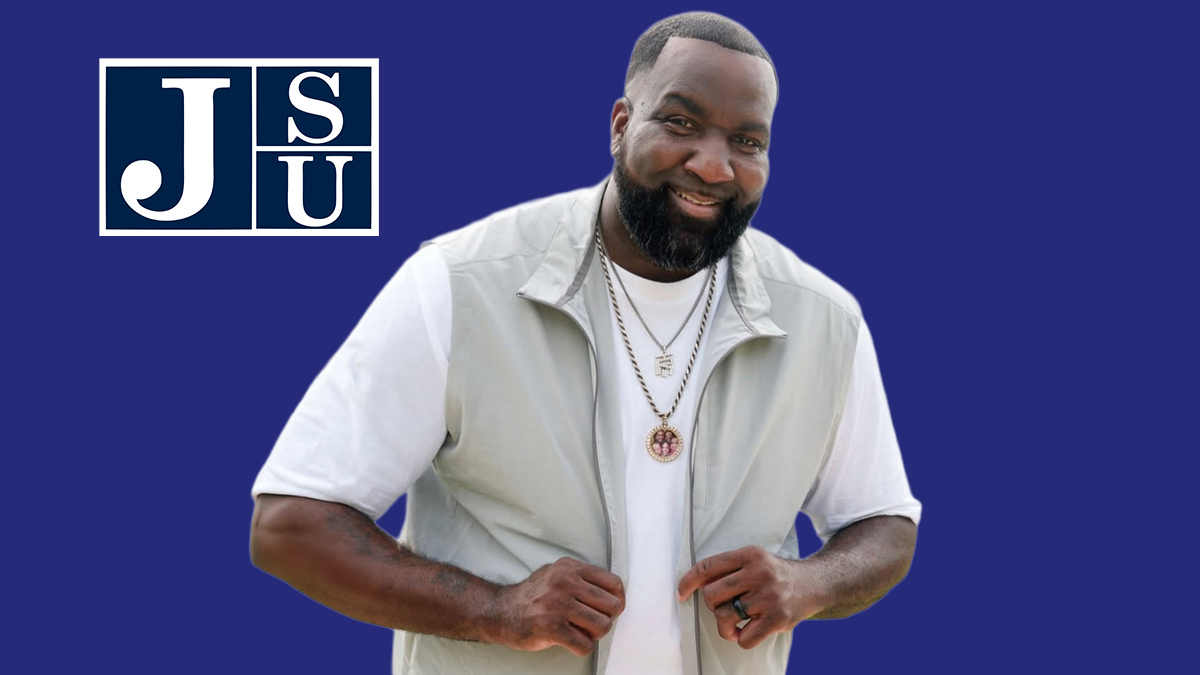
Sar Thompson is the Detroit option of choice, and the Pistons' broader defensive structure pushes opponents away from the paint by design. The Magic, against Detroit, shot 45.6 percent in the paint — the worst paint shooting of any series in seven years according to John Schuhmann. The challenge for Cleveland will be that Mitchell does most of his damage exactly where Detroit allows the least.
Jaylen Duren is the panel's swing piece on the other end. He shrank in round one and was, by the show's reckoning, the biggest reason that series stretched to seven games. Now he draws a Jared Allen matchup in which he holds the size and aggression edge.
The panel argued Duren has a chance to put the round-one disappointment behind him — that the Cavaliers' finesse is exactly the kind of front-court look that lets Detroit's force advantage shine. Allen, meanwhile, looked good in the second half of Game 7 against Toronto and arrived at the round in better form than he had been all series. The matchup may decide who wins the rebounding battle and, by extension, who has the better closeout possessions late in games.
Evan Mobley got the third spotlight. The panel made clear the Cavs can post their best defensive numbers when their two-big alignment of Mobley and Allen is on the floor, even if their offence sputters. The pivot to the more agile single-big lineup tightens the spacing but leaves Cleveland thinner on the glass and at the rim. Mobley, in either configuration, has to perform — he has the size advantage on Tobias Harris and is the most likely Cavalier to neutralise Detroit's interior battering.
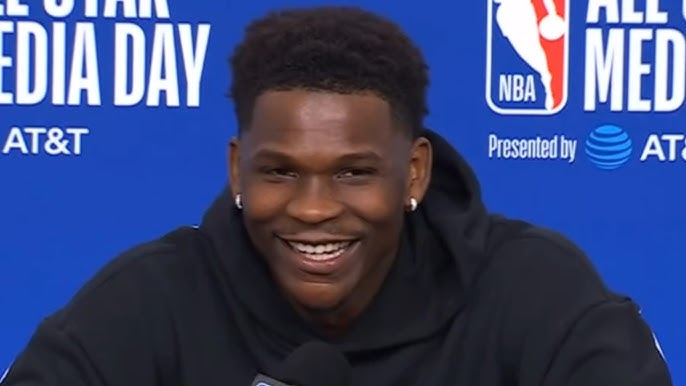
Harris, the other supporting question, shot the lights out late in round one and is the Pistons' second-most reliable scorer. The panel was less sure he could keep going against Mobley's length. Duncan Robinson was offered as a more useful Detroit X-factor — if his corner threes start dropping, the Pistons' offence becomes much harder to coordinate against.
The ball-security number, however, was the panel's most important variable. The Raptors stretched out Game 7 leads by forcing turnovers and running. James Harden's eight-turnover Game 7 was an outlier the Cavaliers cannot afford to repeat. In a half-court game, Cleveland holds the structural edge. In a turnover-driven track meet, Detroit is dangerous.
The most specific Cavalier counterpunch the panel offered was Max Strus on Cade Cunningham. Strus drew Scottie Barnes down the stretch in round one and acquitted himself well — quick enough to mirror Cade's first step, strong enough to absorb the contact, and willing to fire from deep when the help collapses. Dean Wade was floated as the alternative because of his switchability and length, but the panel preferred Strus's willingness to shoot.
The verdict, though, was hedged. Both teams have looked more vulnerable than their season records suggested. Both teams emerged from a seven-gamer that asked them to dig out of a hole. Whichever team wins, the panel suggested, will probably do so by figuring out which version of itself it is — which is, on its own, a bigger ask than either coaching staff would publicly admit.