The most consistent storyline of the 2026 NBA playoffs is not an upset, a star performance, or an injury. It is an absence. Points. There are fewer of them than there have been in any postseason in at least three years, and by the time Round 1 reaches Game 4 this weekend, the league-wide scoring dip is no longer a talking point on a single broadcast — it is a trend the sport is trying to explain in real time.
The New York Times' playoff coverage flagged the decline bluntly this week: 'Scoring is way down in the NBA playoffs.' The numbers back it up. Four first-round series have produced multiple sub-100-point performances, including teams that averaged over 115 a night during the regular season. The three explanations circulating most often among analysts, coaches, and players all carry some weight. None is the full answer.
The first theory is the return of zone defense. It has become a staple — no longer a change-up — and coaches are comfortable living in it for full quarters rather than a possession or two. The Los Angeles Lakers are a case study. Head coach JJ Redick has spent the first two games of the Rockets series walking through the specifics of how his group grades three-point defense by expected field-goal percentage, a more granular framework that treats open looks and contested ones as separate problems.
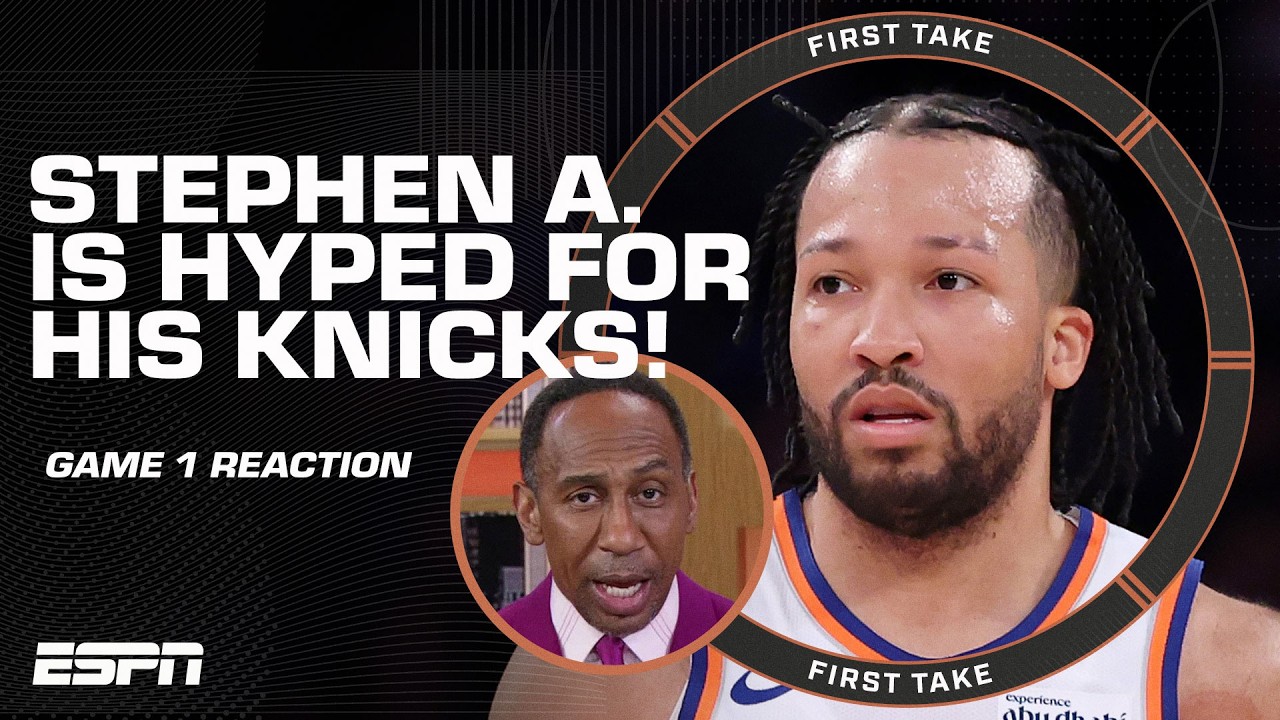
The second theory centres on the officials. Devin Booker, ejected from Game 2 of the Suns–Thunder series, broke an 11-year personal rule and named a referee on the record this week, accusing the league of allowing the postseason to look like, in his phrasing, 'WWE.' That complaint has been echoed more carefully by other stars and coaches who point to the same underlying dynamic: the foul threshold has risen. Perimeter defenders are getting hands on drivers with less risk of a whistle. Off-ball screens are being played through. The effect is a half-court game that slows down before it even gets to the rim.
The third theory is the least flattering to the sport and the most quietly convincing to the people inside it. Charles Barkley raised it on Inside the NBA earlier this week, arguing that what looks like a scoring drought is really the regular-season average correcting itself. 'There was so much tanking,' Barkley said. The bottom of the standings this season produced a historic volume of losses, many of them against teams that had no incentive to impose defensive pressure. The 'upsets' in this first round, he argued, are not upsets at all — they are what actually happens when teams with reasons to play stop bleeding points to teams that did not.
On the floor, the practical response has been a renewed appreciation for what Chris Finch, in Minnesota's 113-96 Game 3 win over Denver, simply called 'force.' The Timberwolves held the Nuggets to 11 points in the first quarter by contesting every possession early. Donovan Mitchell used the same word five times after the Cavs lost Game 3 to the Raptors. 'It really just starts with our force,' he said.
That language — force, physicality, tone — has replaced the pace-and-space vocabulary of earlier postseasons. Where coaches used to talk about 'generating advantages,' they now talk about 'setting the floor.' Where shooting coordinators used to measure how often a player got to his pull-up, they now measure how early the defense arrives.
The television numbers have not suffered uniformly. ESPN's Sunday window carried strong ratings behind the Victor Wembanyama–Trail Blazers matchup, and the Knicks–Hawks series at MSG has maintained healthy regional figures through three tight games. But inside the league, the conversation about pace will continue into Round 2 — and into the offseason. If the offense does not return, expect it to return on the rulebook.