The NBA's 2026 draft on June 23 will be the last run under the lottery as we know it. After a season marred by blatant tanking, the league's board of governors approved a new "3-2-1" draft lottery in late May, a structural overhaul built to kill the incentive to lose.
The headline change is a flatter set of odds spread across more teams. Under the new format, which takes effect with the 2027 draft, 16 lottery teams will be assigned three, two or one lottery "balls" based on where they finish, NBA.com reported. The three worst-record teams each lose a ball — capped at two — so the season's biggest losers no longer hold the best chance at the No. 1 pick.
Commissioner Adam Silver framed the problem bluntly before the Finals.
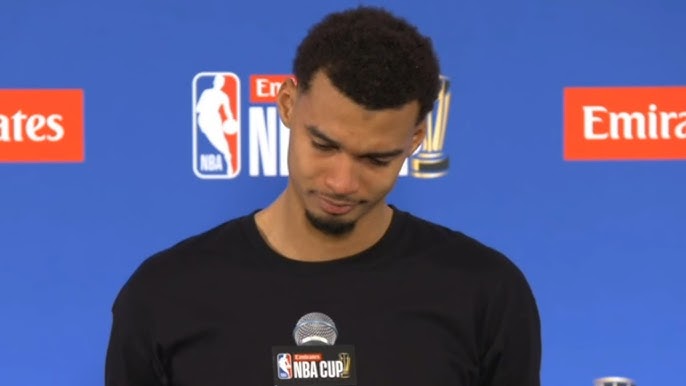
"Tanking is not a new issue for this league," Silver said. "Maybe what surprised us all a little bit is how quickly it became acceptable behavior."
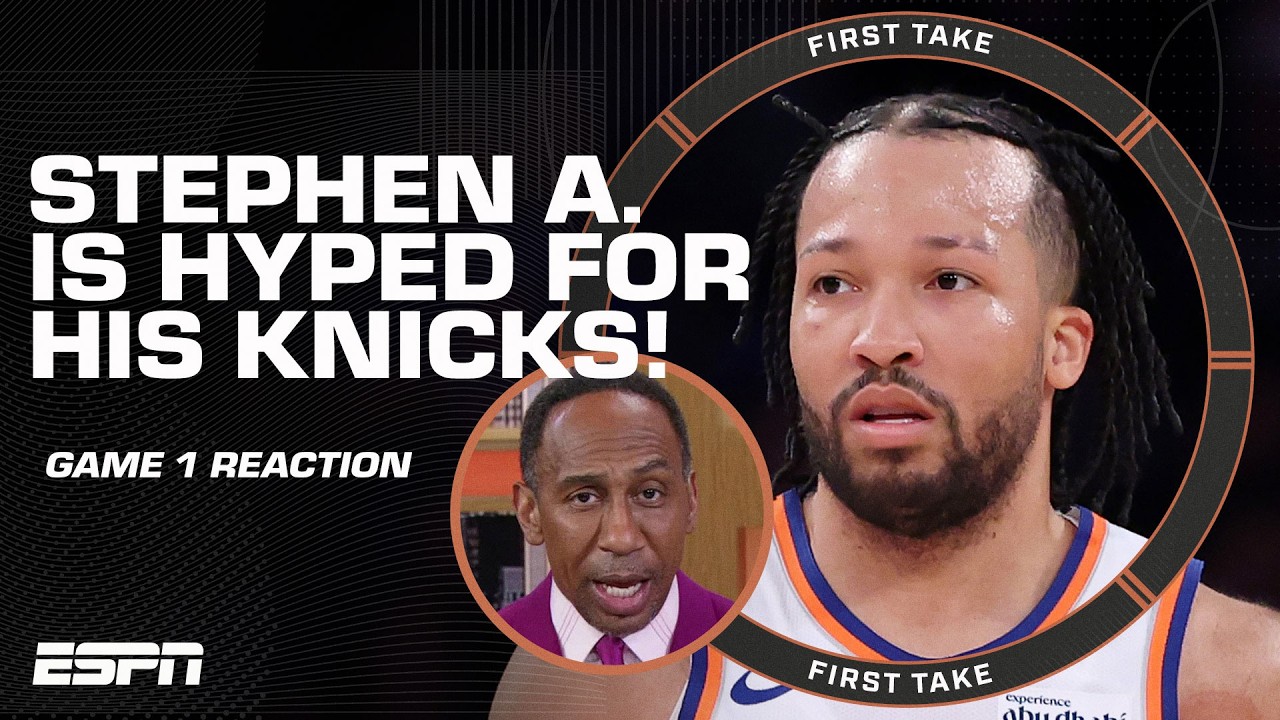
He had previewed the plan weeks earlier on Stephen A. Smith's radio show, describing a deliberate push toward parity at the bottom of the standings.
"What we've essentially done... is to create essentially a system of flat odds, so that you have no particular incentive to be bad," Silver said. "There's even something we're calling draft relegation, that if you're one of the bottom three teams in the league, you'll actually have worse odds than teams that sort of are four through up until teams make the playoffs."
The reform expands the lottery to 16 teams, and the three "draft relegated" clubs will carry worse odds than teams that just missed the play-in, USA Today reported. Those relegated teams can also slide as far as No. 12 in the draft order — a far steeper fall than the current floor.
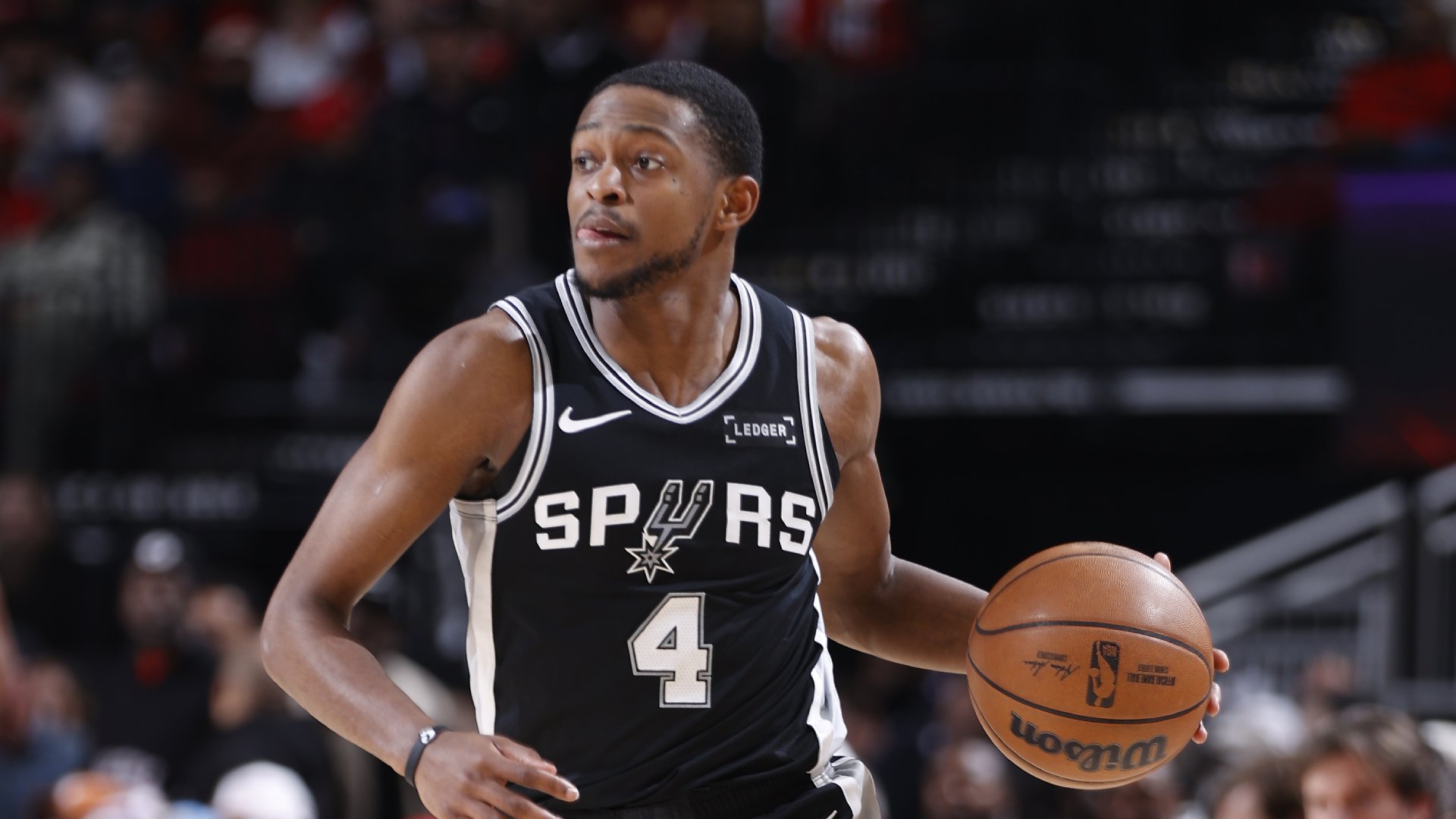
The worst teams are not being shut out, though. "For the teams with the bottom 10 records, they still will have a 70% chance — I'm blending all their odds together — of getting a Top-10 pick," Silver said.
The league is also arming itself with new enforcement powers. The NBA fined the Utah Jazz $500,000 for "conduct detrimental to the league" this past season, and Silver said the office now wants sharper teeth.
"Teams have to know it's not just about paying a financial fine, which they may think is worth it in order to get a top pick, but that it'll directly impact their ability to get a top draft pick," Silver said. The new rules grant the league authority to reduce a team's lottery odds, modify its draft position and levy significant fines.
The system is not permanent. Silver said it will run for three years before it "sunsets," giving the league time to study its effects ahead of the next collective bargaining agreement.
"This is going to be a new flat-odd system. It'll be in place for three years and will give us time for additional study to see whether there are other creative ways to better distribute players," Silver said. "The teams are incredibly innovative and creative at coming up with ways to work the system."