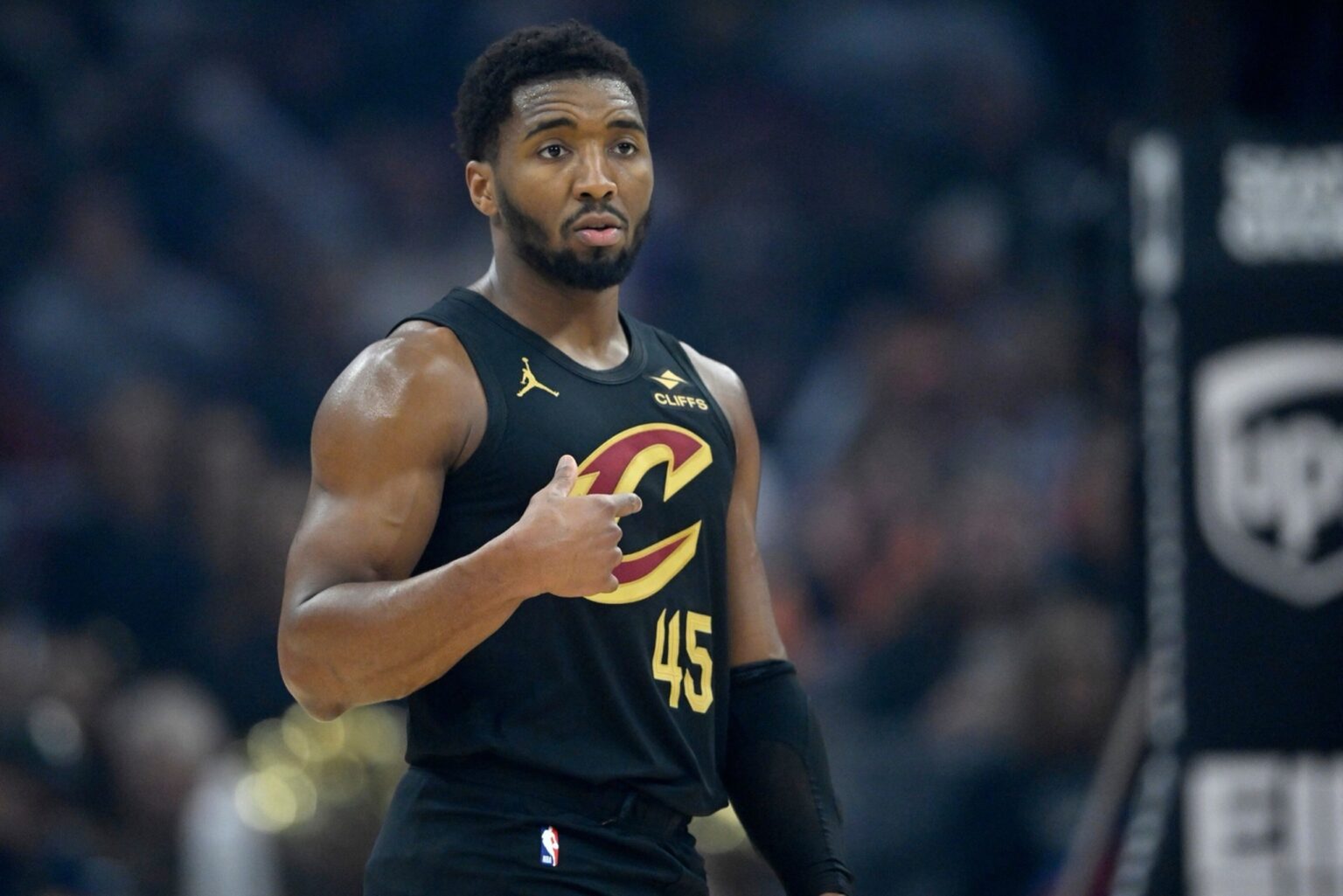
Being swept out of the Eastern Conference Finals is hard to spin. Kenny Atkinson tried anyway — and the basketball world noticed.
In the days before New York completed its 4-0 series win, the Cleveland head coach had leaned on the underlying numbers, suggesting that by expected-scoring metrics the Cavaliers had been far closer to the Knicks than the results implied — that, analytically, the margins had been thin even as the games slipped away. It became the running joke of the series; on Inside the NBA, the panel cracked that, in fairness to the coach, Cleveland had "analytically only lost by 12" during a first half it trailed by far more.
On CBS Sports HQ, analysts were unconvinced. The argument was blunt: analytics offer little comfort when a team builds a double-digit lead and surrenders it, and they do not change a four-game scoreline. The Knicks, the panel noted, finished the postseason near the top of the league in both offensive and defensive efficiency and beat Cleveland in essentially every category that mattered — a gap that no expected-points model could explain away.
To his credit, Atkinson did not hide behind the framing when the series ended. "I'm disappointed — disappointed for the group," he said after the clincher. "From a coaching standpoint, normally you'd say, 'I wish we had this player-wise, roster-wise.' I can't say that. Ownership and the front office gifted us with a wonderful, talented roster." He insisted the season was a step forward: "We took a step. This is kind of how this works — you have to keep climbing. There's no bigger motivator to get to the next level."
The more pointed critique came from Kenny Smith on Inside the NBA, who argued the sweep did more than end Cleveland's season — it exposed how the Cavaliers can be beaten. Smith contended that New York revealed Cleveland's vulnerability to a faster, more egalitarian offence, and that the answer is not personnel but philosophy: the Cavaliers must move away from ball-dominant, late-clock isolation and build their attack around their interior players and the kind of ball and body movement that produced the Knicks' record-setting 130-point closeout.
That is the uncomfortable takeaway for a Cleveland team that entered the playoffs with championship expectations. Donovan Mitchell and a deep, talented roster did not lack for ability; they were out-schemed and out-toughened by an opponent that, by every measure that shows up in the win column, was simply better. Atkinson framed it as motivation. Whether the front office sees a roster that took a step — or one that needs reshaping — will define Cleveland's summer.