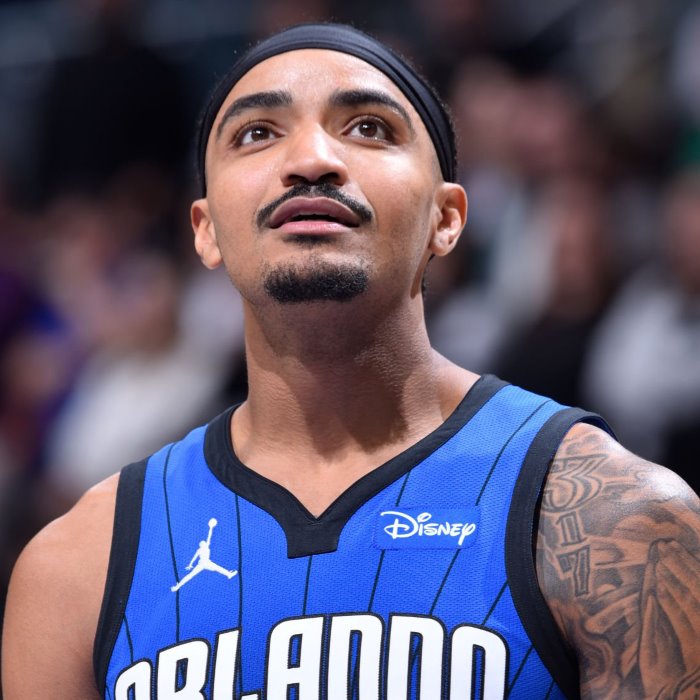
At 6-foot-4 and 210 pounds, Gary Harris may not possess the flashiest skill set in today's NBA, but the veteran shooting guard has carved out a valuable role as a reliable contributor for the Milwaukee Bucks. Wearing number 11 and earning $3.73 million this season, the Fishers, Indiana native represents the type of seasoned professional that championship-caliber teams need in their rotation.
Harris's journey to Milwaukee has been one of perseverance and adaptation. Once considered a promising young talent early in his career, the 29-year-old guard has evolved into a steady veteran presence who understands his role and executes it consistently. His physical dimensions – standing 6-foot-4 with a solid 210-pound frame – allow him to defend multiple positions while providing enough size to compete against larger opponents.
For the Bucks, Harris fills a crucial role as a secondary ball-handler and perimeter defender. His veteran leadership has become increasingly valuable for a team with championship aspirations, particularly as younger players navigate the pressures of high-stakes basketball. The modest $3.73 million salary represents excellent value for Milwaukee, allowing the organization to allocate resources elsewhere while maintaining depth at a critical position.
Career Journey
The Indiana connection runs deep for Harris, who honed his skills in the basketball-rich environment of his home state before making his mark in college basketball. That Midwest work ethic and fundamental approach to the game has served him well throughout his professional career, even as the league has evolved around him. His understanding of team basketball and willingness to accept whatever role is asked of him has made him a coach's dream.
Harris's shooting ability remains his calling card, though he's demonstrated improvement in other areas of his game over the years. His catch-and-shoot capabilities provide valuable spacing for Milwaukee's offense, particularly important when playing alongside stars who demand defensive attention. The threat of his perimeter shooting forces opposing defenses to account for him, creating additional opportunities for his teammates.
**Related:** [Harrison Barnes Brings Veteran Leadership and Versatility to San Antonio Spurs' Rebuild](/article/harrison-barnes-brings-veteran-leadership-and-versatility-to-san-antonio-spurs-r-dce546)
By the Numbers
Defensively, Harris brings the kind of effort and positioning that doesn't always show up in traditional statistics but significantly impacts winning. His 6-foot-4 frame allows him to guard both guard positions effectively, while his 210-pound build provides enough strength to battle through screens and contest shots from larger opponents. This versatility has proven invaluable for Milwaukee's coaching staff when constructing defensive game plans.
Impact and Legacy
The veteran's basketball IQ stands out as perhaps his greatest asset. Years of professional experience have taught him how to read defensive rotations, when to take his shots, and how to impact games beyond scoring. This court awareness has allowed him to maximize his effectiveness despite not being the most athletic player on the court.
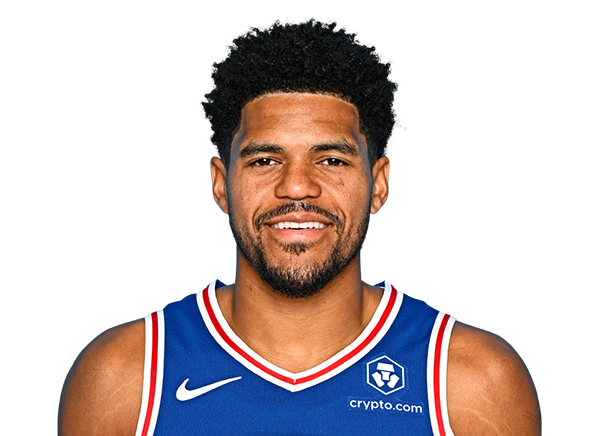
Harris's role with the Bucks extends beyond his on-court contributions. As a veteran presence in the locker room, he provides stability and perspective that younger players often need during the rigors of an 82-game season. His professional approach and preparation habits set an example for teammates while his experience in pressure situations helps guide the team through challenging moments.
The financial aspect of Harris's contract – $3.73 million – represents smart roster construction by Milwaukee's front office. In an era of escalating salaries and luxury tax implications, finding productive players at reasonable prices has become increasingly important. Harris delivers reliable production without breaking the budget, allowing the organization to invest in other areas of need.
Physically, Harris has maintained his conditioning well throughout his career. At 210 pounds on his 6-foot-4 frame, he possesses the ideal build for his position – strong enough to absorb contact while maintaining the mobility necessary to stay with quicker opponents. This physical maintenance has allowed him to remain effective as he's transitioned into a veteran role.
Looking ahead, Harris's impact on Milwaukee's success will likely be measured in subtler ways than traditional statistics. His ability to step up in key moments, provide steady ball-handling when needed, and knock down open shots could prove crucial during playoff runs. The veteran's experience in high-pressure situations gives the Bucks another reliable option when games matter most.
For a player who has had to reinvent himself multiple times throughout his career, Harris's current situation in Milwaukee represents an ideal fit. The organization values his contributions, he understands his role, and the team has legitimate championship aspirations – all factors that should motivate him to continue performing at a high level.
As the season progresses, Harris will look to continue proving that veteran savvy and professional consistency remain valuable commodities in today's NBA. His journey from Indiana high school standout to reliable NBA veteran exemplifies the dedication and adaptability required to sustain a long professional career in basketball's premier league.