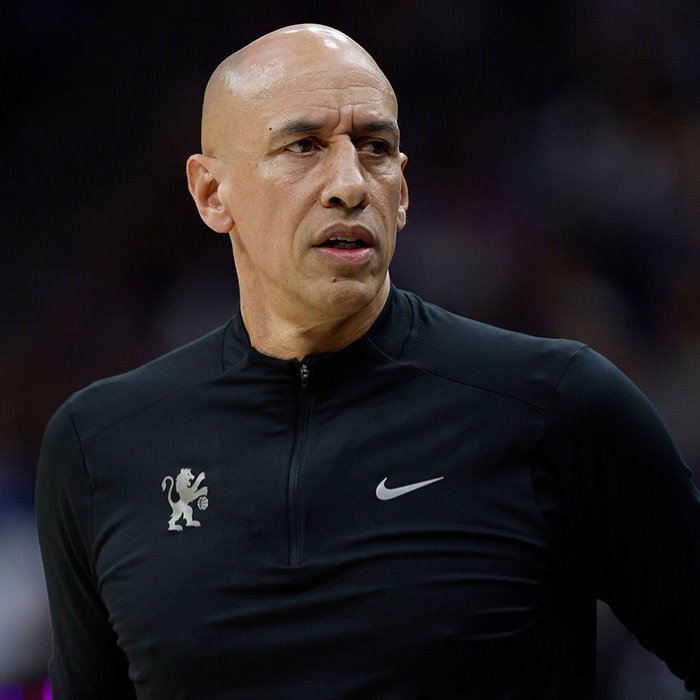
Doug Christie's journey with the Sacramento Kings has come full circle. The Seattle native who helped define one of the most memorable eras in franchise history has returned to the organization, this time wielding influence from the front office as a manager rather than from his familiar spot on the court.
Standing 6'6" and weighing 200 pounds during his playing days, Christie was the epitome of versatility and defensive tenacity. His physical attributes made him an ideal wing player in an era when the NBA was transitioning toward more athletic, multi-positional basketball. Now, those same qualities that made him successful as a player—intelligence, adaptability, and an understanding of team dynamics—are serving him well in his management role.
Christie's connection to Sacramento runs deeper than most front office executives. As a key member of the Kings' legendary early 2000s teams, he was instrumental in creating the culture and identity that still resonates with fans today. Those Kings squads, known for their fast-paced, entertaining style of play, represented the franchise's golden era and established a standard of excellence that the organization continues to pursue.
Career Journey
The transition from player to executive is never guaranteed to be successful, but Christie brings unique credentials to his management position. His 15-year NBA career spanned multiple franchises, giving him exposure to different organizational philosophies and management styles. This breadth of experience provides valuable perspective as he helps shape the Kings' current direction.
What made Christie special as a player was his defensive acumen and basketball IQ. He possessed the rare ability to guard multiple positions effectively, a skill that was ahead of its time and perfectly suited to today's positionless basketball. His 6'6" frame allowed him to defend smaller guards while his quickness enabled him to stay with forwards, making him an invaluable asset in an era before "switch-everything" defenses became commonplace.

" frame allowed him to defend smaller guards while his quickness enabled him to stay with forwards, making him an invaluable asset in an era before "
**Related:** [Wigan Warriors Triumph Over Hull Kingston Rovers in Playoffs](/article/wigan-warriors-triumph-over-hull-kingston-rovers-in-playoffs)
Beyond his individual contributions, Christie understood team basketball at a fundamental level. He was never the primary scorer or the focal point of an offense, but he consistently made the plays that winning teams require. This selfless approach and understanding of complementary basketball translates well to front office work, where building cohesive rosters often matters more than accumulating individual talent.
Christie's Seattle roots also bring an interesting dimension to his role with the Kings. Growing up in the Pacific Northwest, he developed his basketball foundation in a region known for producing intelligent, fundamentally sound players. This background, combined with his professional experience across multiple NBA markets, gives him a broad perspective on talent evaluation and team building.

Team Dynamics
The modern NBA presents different challenges than the league Christie played in, but many of the principles remain constant. His experience navigating the complexities of professional basketball—from salary cap considerations to locker room dynamics—provides valuable institutional knowledge. As teams increasingly value executives who understand the player perspective, Christie's credibility in this area is significant.
Impact and Legacy
In his current management role, Christie is positioned to influence multiple aspects of the organization. Whether focusing on player personnel decisions, development programs, or organizational culture, his fingerprints are likely being felt throughout the franchise. The Kings have undergone significant changes in recent years, and having a respected former player in a leadership position provides continuity and credibility during periods of transition.
The Sacramento fanbase, known for its loyalty and basketball knowledge, undoubtedly appreciates having Christie back in the organization. His return represents more than just a hiring decision; it's a connection to the franchise's most successful period and a signal that the organization values its history and the relationships built during that era.
Christie's management role also reflects a broader trend in professional sports, where former players are increasingly taking on executive responsibilities. His playing career provided him with firsthand knowledge of what makes teams successful, from the importance of role definition to the value of veteran leadership. These insights are invaluable when evaluating potential acquisitions or making strategic decisions about roster construction.
As the Kings continue building toward sustained success, having Christie in a management position provides both expertise and credibility. His understanding of the franchise's culture, combined with his broader NBA experience, positions him to make meaningful contributions to the organization's long-term goals.
The evolution from player to executive requires different skills, but Christie's basketball intelligence and understanding of team dynamics serve as strong foundations for his current role. His presence in the Kings' front office represents both a nod to the franchise's successful past and an investment in its future aspirations.