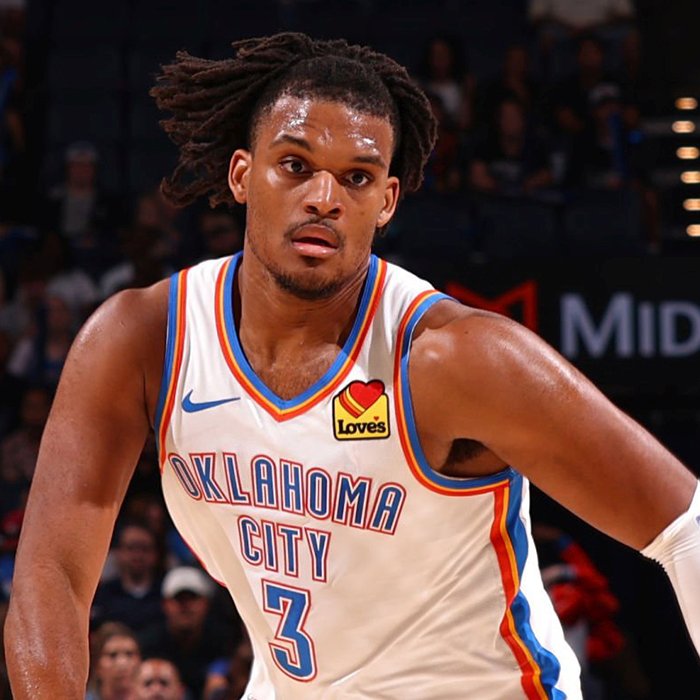
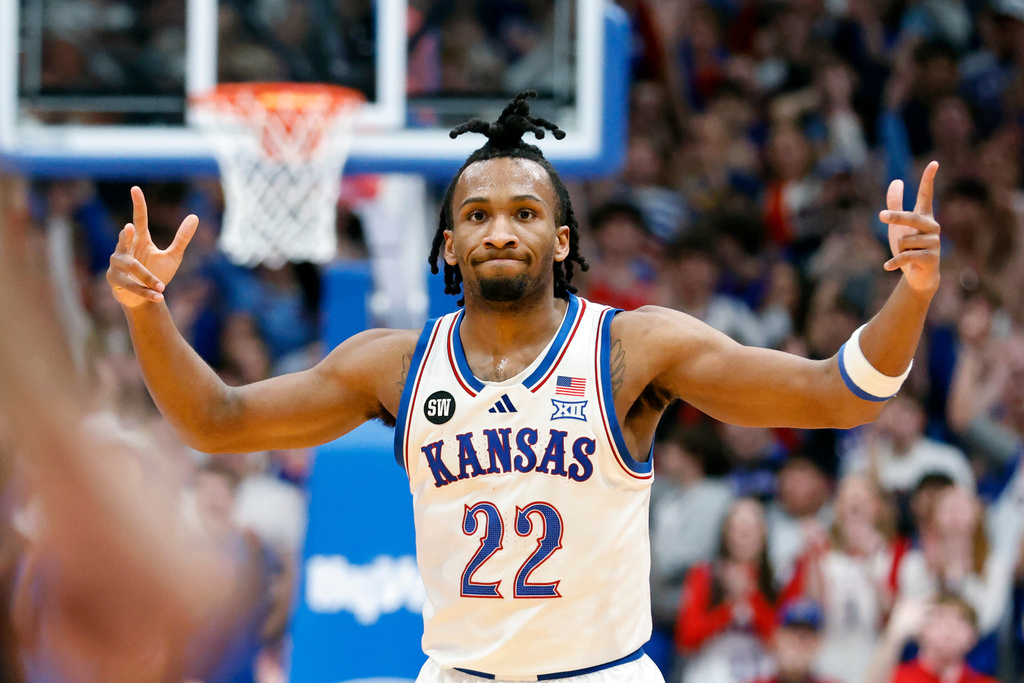
Standing tall at 6'6" and weighing 235 pounds, Dillon Jones has emerged as an intriguing addition to the New York Knicks roster, bringing a compelling blend of size, athleticism, and basketball IQ to one of the NBA's most storied franchises. The Columbia, South Carolina native has been carving out his role as a small forward, donning the iconic number 1 jersey at Madison Square Garden.
Jones' physical profile immediately catches the eye of basketball analysts and fans alike. His 6'6" frame combined with his 235-pound build creates an ideal prototype for the modern NBA small forward position. This size allows him to match up against a variety of opponents, from shifty guards to physical forwards, making him a valuable chess piece in head coach Tom Thibodeau's defensive schemes.
The South Carolina product's journey to the bright lights of New York represents the kind of perseverance and determination that resonates deeply with Knicks fans, who have long appreciated players willing to embrace the grind-it-out mentality that defines basketball in the Big Apple. His solid frame and athletic build suggest a player who isn't afraid of contact and can hold his own in the paint when needed, while still possessing the mobility to defend on the perimeter.
As a small forward in today's NBA, Jones occupies one of the most demanding positions on the court. The modern small forward must be a Swiss Army knife – capable of defending multiple positions, contributing on the boards, and providing offensive versatility. Jones' physical dimensions suggest he's well-equipped to handle these multifaceted responsibilities.
His 235-pound frame is particularly noteworthy in an era where many small forwards have become increasingly lean to maximize speed and agility. Jones' build suggests a player who can bang with bigger opponents in the post while still maintaining the lateral quickness necessary to stay with smaller, more agile players on switches. This physical versatility is invaluable in the Knicks' defensive system, which often relies on players' ability to guard multiple positions.
**Related:** [Dow Jones Plummets as Geopolitical Crisis Triggers Market Sell-Off](/article/dow-jones-plummets-as-geopolitical-crisis-triggers-market-sell-off)
By the Numbers
The significance of wearing number 1 for the Knicks cannot be understated. In a franchise with such rich history, jersey numbers carry weight and expectation. The number suggests confidence and leadership potential – qualities that could prove essential as Jones develops his role within the team's hierarchy.
Jones' arrival in New York comes at an interesting time for the franchise. The Knicks have been building a culture centered around defense, hustle, and blue-collar basketball – values that align well with what Jones brings to the table based on his physical profile and background. His size and build suggest a player who can contribute to the team's defensive identity while potentially providing the kind of versatile offensive production that modern NBA teams crave from the small forward position.

From a tactical standpoint, Jones' dimensions allow the Knicks to experiment with different lineup configurations. His ability to play alongside both smaller guards and bigger forwards gives coach Thibodeau flexibility in matchup situations. Whether the team needs to go bigger against physical frontcourts or smaller to match high-tempo offensive units, Jones' versatile build makes him a candidate to fit into various schemes.
Race Results
The small forward position in today's NBA requires players to be comfortable operating in multiple areas of the court. Jones' physical profile suggests he can be effective in the corners as a spot-up shooter, strong enough to post up smaller defenders, and athletic enough to contribute in transition situations. His 235-pound frame indicates the kind of strength needed to finish through contact in today's increasingly physical league.
Defensively, Jones' combination of height and weight positions him well to guard the elite small forwards around the league. The position often requires defending players like Jayson Tatum, Kevin Durant, and Jimmy Butler – all of whom bring different challenges in terms of size, skill, and playing style. Jones' build suggests he has the physical tools to at least compete against this caliber of opponent.
Looking Ahead
Looking ahead, Jones' development will likely focus on maximizing his physical advantages while continuing to refine his basketball skills. His frame suggests someone who could develop into a reliable two-way player – the kind of versatile contributor that championship teams typically need.
The fact that his contract details remain undisclosed adds an element of intrigue to his situation. In an era of maximum transparency around player salaries, this privacy could indicate various scenarios, from a developing rookie deal to a prove-it contract that could lead to bigger opportunities.
For Knicks fans, Jones represents the kind of player the organization has historically valued – someone with the physical tools and apparent work ethic to contribute to winning basketball. His South Carolina roots and journey to New York embody the kind of blue-collar story that resonates at Madison Square Garden.
As the season progresses, all eyes will be on how Jones continues to develop his role within the Knicks' system and whether his impressive physical profile translates into consistent on-court production at basketball's highest level.